
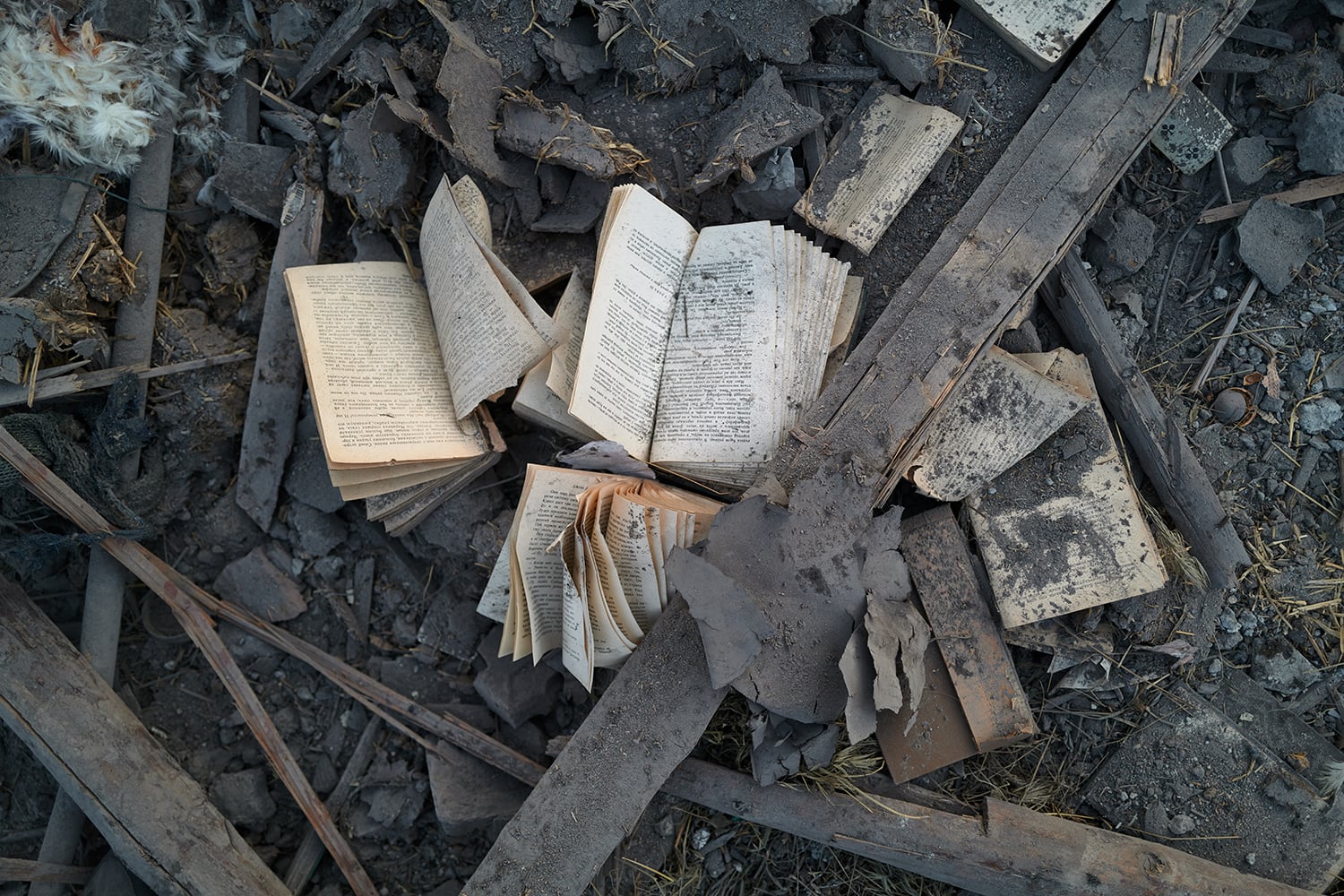
Russia’s full-scale invasion of Ukraine in 2022 catalyzed a global linguistic shift, notably prompting international media and institutions to abandon the Russian-derived exonym “Kiev” in favor of the Ukrainian “Kyiv.” This transition highlighted broader patterns of Russification, wherein the Russian government has actively sought to dismantle Ukrainian identity by removing Ukrainian-language road signs, destroying books, and imposing Russian as the language of instruction in occupied territories.
To combat these efforts, Ukraine has implemented a robust language revitalization program supported by state legislation. A central figure in this effort has been Taras Kremin, who served as the State Language Protection Commissioner from 2020 to 2025. Unlike prescriptivist language authorities in other nations, the Ukrainian commissioner’s office focuses on monitoring adherence to the country’s comprehensive 2019 state language law rather than policing casual speech.
The 2019 legislation mandates proficiency in Ukrainian across numerous public and professional spheres, including government, education, medicine, military service, and the judiciary. It also establishes requirements for media, requiring publishers to issue at least 50 percent of their titles in Ukrainian, mandating that domestic websites offer a Ukrainian version, and requiring foreign websites serving Ukrainians to load in Ukrainian by default. While minority and Indigenous languages receive legal protections, Russian lost its protected status in 2025.
Kremin’s office investigates linguistic violations and compiles documentation of what officials term “language genocide” in Russian-occupied regions such as Crimea, Donetsk, and Luhansk. Reports indicate that Ukrainian-language education and media have been aggressively suppressed in these areas, severely limiting options for students and isolating populations from the rest of Ukrainian society. Conversely, the office receives a high volume of complaints domestically, particularly in major urban centers like Kyiv, Odesa, and Kharkiv, where many displaced citizens and Russian speakers reside. Most domestic infractions involve websites failing to provide Ukrainian-language interfaces, highlighting vulnerabilities in the digital information space.
Although international law lacks a formal crime of “linguicide,” Ukrainian officials use documentation of these language rights violations to support broader human rights claims against Russia in international forums, including the European Court of Human Rights and the International Criminal Court. As the war continues, the systematic documentation of linguistic suppression remains a vital tool for defending Ukrainian national sovereignty.