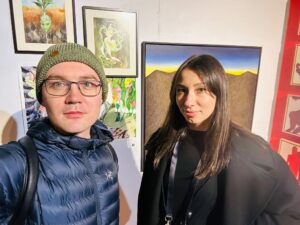
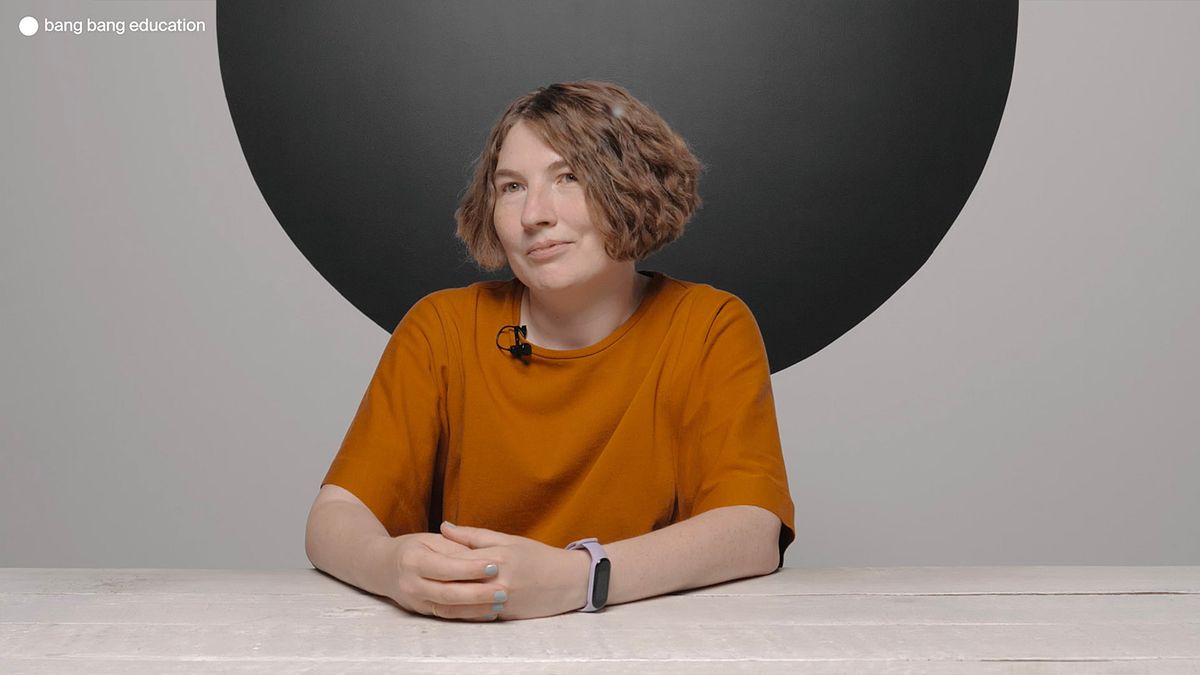
An open letter signed by more than 160 members of the international design community is urging the board of the Association Typographique Internationale (ATypI) to review the participation of Aleksandra Korolkova, art director of the Russian type company ParaType, in the upcoming ATypI Sharjah 2026 conference. In response to her inclusion in the official program, two accepted Ukrainian speakers, Oleksandra Korchevska-Tsekhosh and Oleksii Chekal, have decided to withdraw from attending.
The signatories emphasize that their appeal is not based on Korolkova’s nationality, language, or personal political views, but rather on her professional activities, her leadership role as ParaType’s art director, and her stake in the company. Specifically, the letter highlights ParaType’s development of typefaces like PT Astra Sans and PT Astra Serif for Astra Linux—an operating system utilized by Russian state, military, and security institutions, including the Defense Ministry and the FSB. This collaboration arose after U.S. sanctions following the 2014 occupation of Crimea prevented Monotype from licensing Times New Roman to the system’s developers. The appeal also notes ParaType’s creation of the Golos typeface for Russian government and social-service websites, as well as past public statements by ParaType director Anna Yakupova supporting the 2022 annexation of occupied Ukrainian territories.
While acknowledging that ATypI may view Korolkova’s technical presentation on automating microtypography as purely academic, the letter’s authors argue that promoting a speaker is an institutional decision that must account for documented professional ties to military, security, and state-sanctioned infrastructure. The appeal invokes ATypI President Nada Abdalla’s recent stance that typography is not politically neutral, asking the organization to apply this principle consistently.
The letter requests that ATypI remove Korolkova from the program or suspend her participation pending a review, provide a reasoned written response, and establish a transparent mechanism for future ethical evaluations concerning ties to sanctioned state infrastructure. The controversy unfolds against the backdrop of broader efforts by the Ukrainian design community to identify and reduce reliance on Russian typography, as well as severe damage inflicted by Russian military attacks on Ukraine’s publishing and cultural infrastructure.