
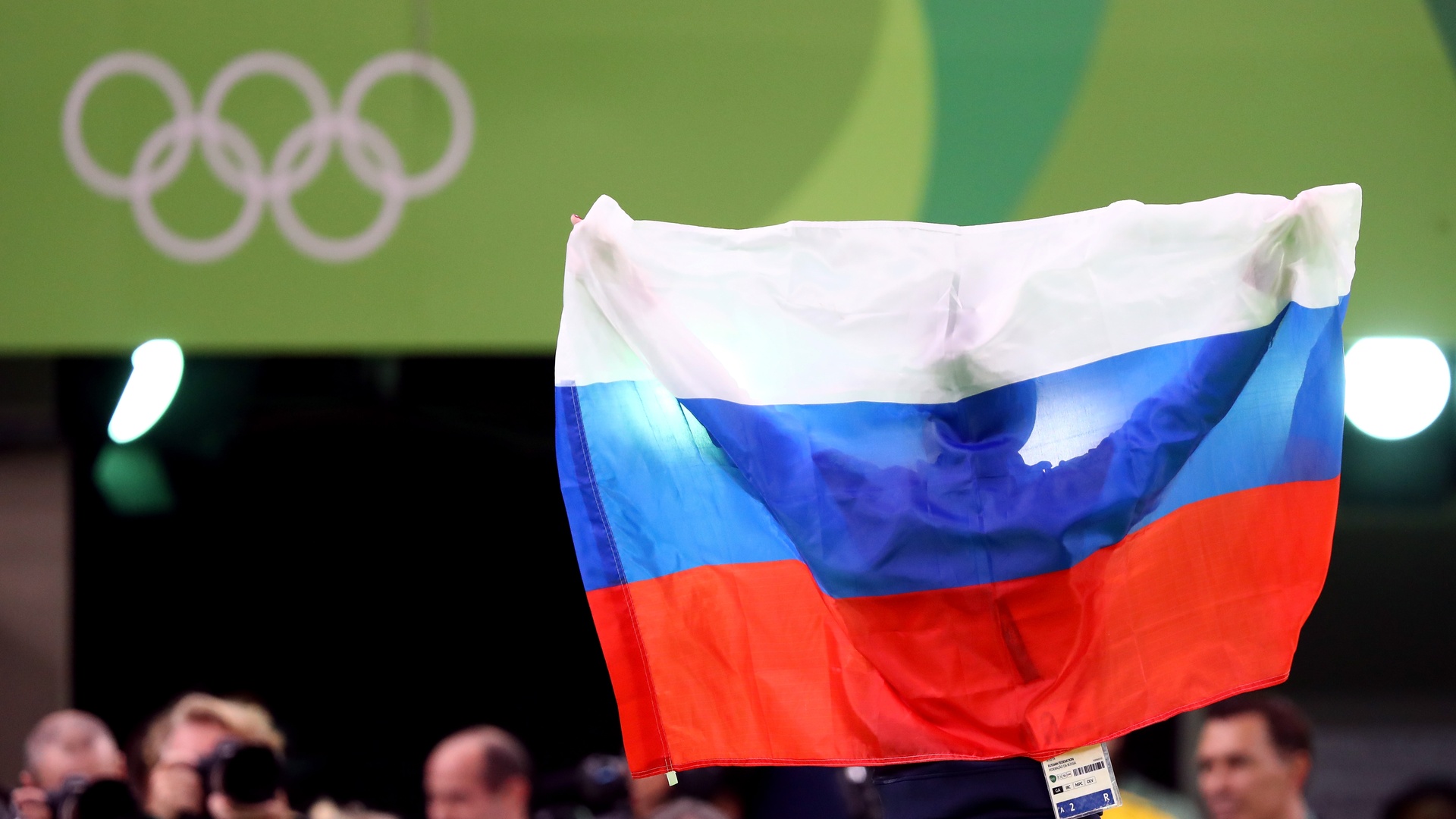
The International Olympic Committee (IOC) has provisionally lifted its ban on the Russian Olympic Committee (ROC). The decision follows an analysis by the IOC’s Legal Affairs Commission, which determined that the ROC no longer includes regional sports organizations within territories under the jurisdiction of the National Olympic Committee of Ukraine, and that the ROC has confirmed it will not conduct activities in those territories.
The IOC stated that the move aims to give Russian athletes time to qualify for the 2028 Los Angeles Games, allowing them to compete without being held responsible for their government’s actions, though officials like President Vladimir Putin will not be invited. The IOC has not yet decided whether athletes will compete under the Russian flag or as the Russian Olympic Committee.
Russian athletes previously faced two major controversies regarding international competition. The first was a state-sponsored doping scandal during the 2014 Sochi Olympics, after which athletes were permitted to compete under the ROC name only after meeting strict anti-doping criteria. The second ban was imposed following Russia’s invasion of Ukraine in February 2022. While the IOC cited both the violation of the Olympic Truce and the takeover of local Ukrainian sports organizations as reasons for the ban, experts note that the interference with Ukrainian sporting bodies was the primary driver. With Russia halting that interference, the ban was lifted.
Looking ahead, Russian athletes have a path to compete as Russians rather than as Independent Neutral Athletes, provided they undergo extensive anti-doping testing leading up to the 2028 Games. International federations, such as FIFA, are also shifting their stances; FIFA has begun allowing Russian youth teams to participate and is facing openness from its leadership regarding senior teams.
Experts view this development as part of a broader cultural and political trend within international sports organizations to emphasize political neutrality. The IOC recently updated the Olympic Charter to cement its purpose of applying neutrality free from external pressures. Critics point out that this adherence to pseudo-neutrality aligns with the organization’s historical approach to global conflicts.