The ongoing war in Ukraine has profoundly impacted the daily lives and eating habits of its citizens, influenced by rising food prices, high stress levels, and frequent nighttime drone attacks. According to a study by Gradus Research, over half of Ukrainians report changes in their dietary habits due to the conflict. Roughly three-quarters are actively trying to reduce food expenses, primarily cutting back on sweets and snacks in favor of high-calorie, filling foods that sustain them through stressful conditions.
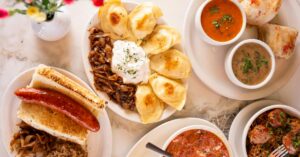
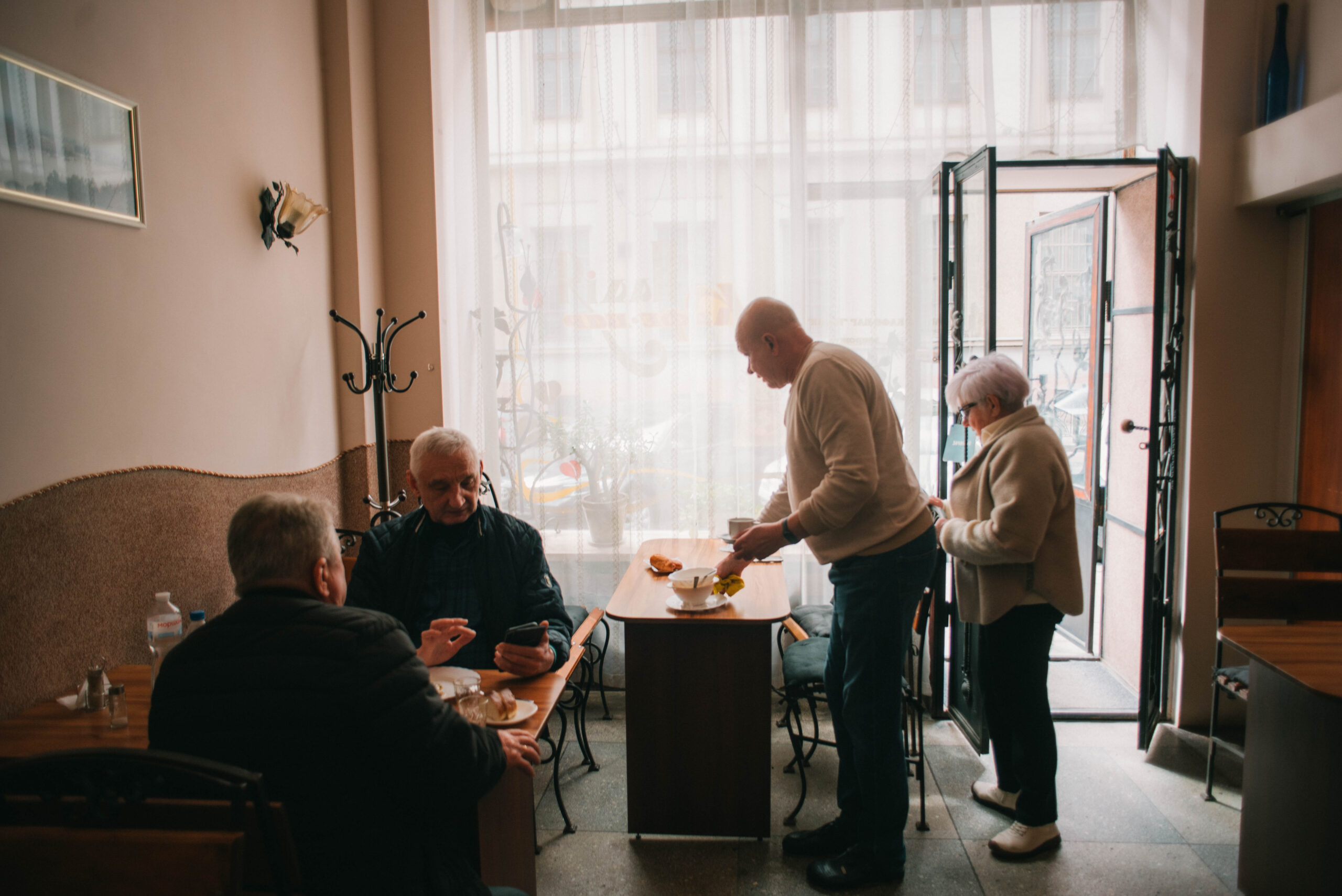
In Lviv, far from the immediate frontlines, these pressures are visible at Café Nadiya, a modest, long-running bistro owned by 65-year-old Igor. Serving traditional Ukrainian comfort foods like vareniki, deruny, and pelmeni, the café acts as a sanctuary and community hub for a diverse crowd of professors, students, journalists, retirees, and soldiers. However, Igor has had to shorten his operating hours due to fewer evening patrons, and customers frequently discuss fluctuating food prices.
Among the regular patrons is Valentin, a former soldier who frequented the café in his youth before being drafted in 2022 and later wounded by a landmine near Bakhmut. Valentin notes that on the frontlines, taste is secondary to speed and high caloric value, with military rations designed to provide up to 5,000 calories a day to endure extreme exhaustion and physical exertion. Back at the café, however, food carries deep emotional resonance and memory.
Valentin’s preference for vareniki evokes childhood memories of his grandmother cooking them every Sunday. This cultural emphasis on ensuring family members have plenty to eat is deeply rooted in Ukrainian society, partly shaped by generational memories of the Holodomor—the man-made Soviet famine of 1932–33 recognized by many nations and the European Parliament as a genocide. Survivors’ descendants often retain a strong reluctance to waste food and place high importance on feeding others.
Despite the hardships and losses inflicted by the ongoing war—including regular customers lost to the conflict—Igor remains optimistic about the resilience of his countrymen and their culinary traditions. He believes that eating well offers comfort and help during wartime, and expresses hope that the conflict will soon end so he can continue serving dishes that bring joy to his community.