
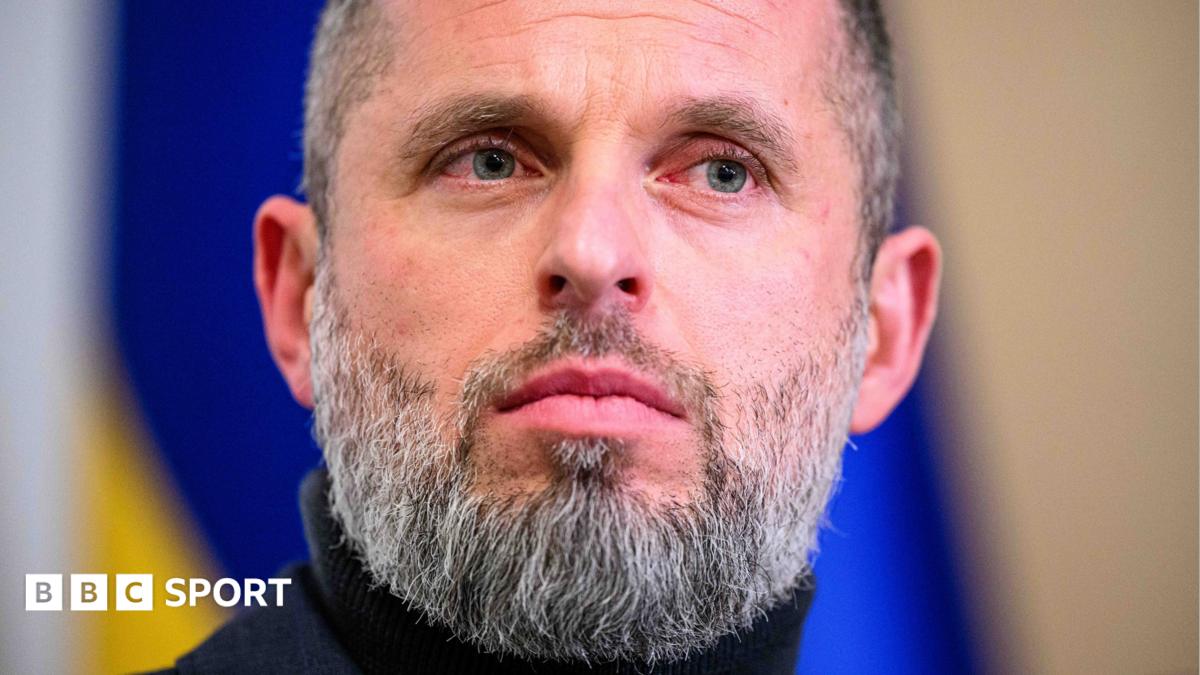
Ukrainian Minister for Youth and Sport Matvii Bidnyi has strongly criticized the FIA’s decision to lift the ban on Russian and Belarusian competitors in international motorsport, arguing that nothing has changed to justify easing these restrictions. The ban was originally imposed in February 2022 following the full-scale invasion of Ukraine, but the FIA’s world motorsport council overturned it on August 3, following a similar move by the International Olympic Committee.
Bidnyi emphasized that Russian aggression against Ukraine continues daily, citing a recent drone attack near a Kyiv railway station. He expressed deep disappointment, stating that softening these policies undermines the collective international pressure against the aggressor state. While acknowledging that other organizations like judo and weightlifting have also eased restrictions, he praised steadfast partners like World Athletics and the biathlon federation for maintaining sanctions. World Athletics is currently facing a legal challenge from the Russian Athletics Federation at the Court of Arbitration for Sport.
According to Bidnyi, Russia utilizes elite sports as an integral part of its state propaganda and military system, functioning as a “sportswashing” mechanism to whitewash its actions. The Ukrainian government reports severe impacts on its own sporting community, noting that 775 Ukrainian athletes and coaches have been killed, including three members of the Ukrainian Automobile Federation, and over 925 sports facilities have been destroyed.
Conversely, the Russian Embassy in London defended the FIA’s decision, calling the exclusion of Russian athletes a form of segregation based on nationality that violates the Olympic Charter, and praising the move as a return to common sense over political bias.
In response, the FIA stated that it updated the requirements for Russian and Belarusian drivers and officials following the IOC’s July announcement and similar steps by other sports bodies. However, the governing body noted that it maintains its prohibition on hosting events in Russia and Belarus, continues to monitor the situation in Ukraine, and reserves the right to alter its stance in the future.