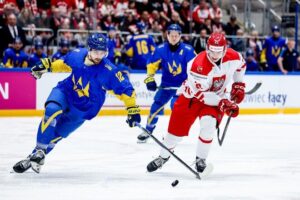
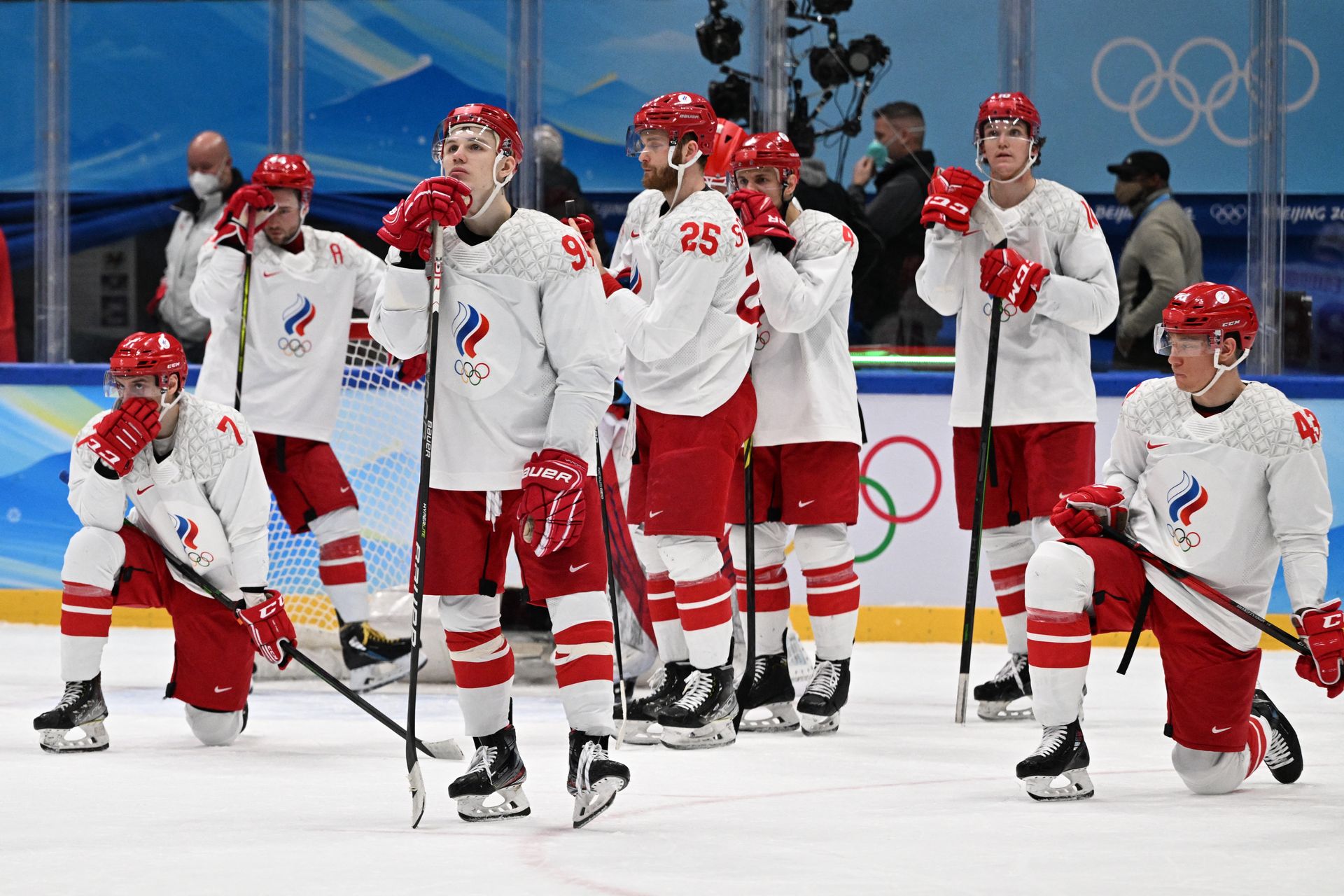
A recent ruling by the Court of Arbitration for Sport (CAS) has declared the International Ice Hockey Federation’s (IIHF) exclusion of Russian athletes unlawful, paving the way for Russia’s potential return to international ice hockey. The decision, issued unexpectedly within three days, has sparked significant backlash from Ukraine and several leading hockey nations, who argue that allowing Russia to compete normalizes its ongoing full-scale war against Ukraine, during which sports infrastructure and athletes continue to be destroyed.
The Ice Hockey Federation of Ukraine (FHU), alongside national teams and governments in countries like Canada, Czechia, Finland, Germany, Sweden, Norway, and Denmark, strongly opposes the reintegration. Ukrainian men’s national team captain Ihor Merezhko emphasized the psychological and organizational stress the ruling brings, noting the absurdity of competing while air raid sirens sound and missiles destroy arenas. Nevertheless, Ukrainian players and officials have affirmed their commitment to representing their country’s resilience on the international stage while awaiting the final decision from the IIHF.
Several host nations and governments have taken concrete stances against Russia’s return. Canada announced that its immigration authorities will individually assess and block Russian and Belarusian athletes and officials from entering the country for events like the World Junior Hockey Championship. The German Ice Hockey Federation, which is set to host the 2027 IIHF World Championship, warned of severe security, political, and economic consequences if Russia participates. Meanwhile, Finland has spearheaded efforts to form a unified front of countries vowing to boycott matches against Russia. At least seven nations have stated they will refuse to play against a Russian team.
This pushback in ice hockey mirrors a broader trend across international sports, where organizations like the International Olympic Committee and the World Gymnastics Federation have begun easing restrictions and allowing Russian and Belarusian athletes to return. These moves have drawn criticism from European Union officials, such as chief diplomat Kaja Kallas, who warned against using sports to whitewash aggression, as well as repercussions for dissenting host nations like Lithuania, which recently lost hosting rights after denying visas to Russian and Belarusian athletes.
Ultimately, the final decision regarding Russia’s participation in international ice hockey rests with the IIHF, though its authority remains subject to CAS rulings and national government policies. As legal teams and sports federations prepare for various outcomes, Ukrainian athletes maintain that they have no intention of giving up their athletic goals, viewing international competition as a vital platform to represent Ukraine’s dignity and resilience.