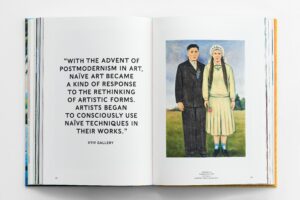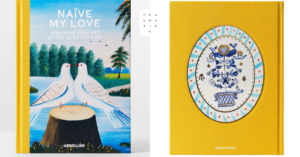
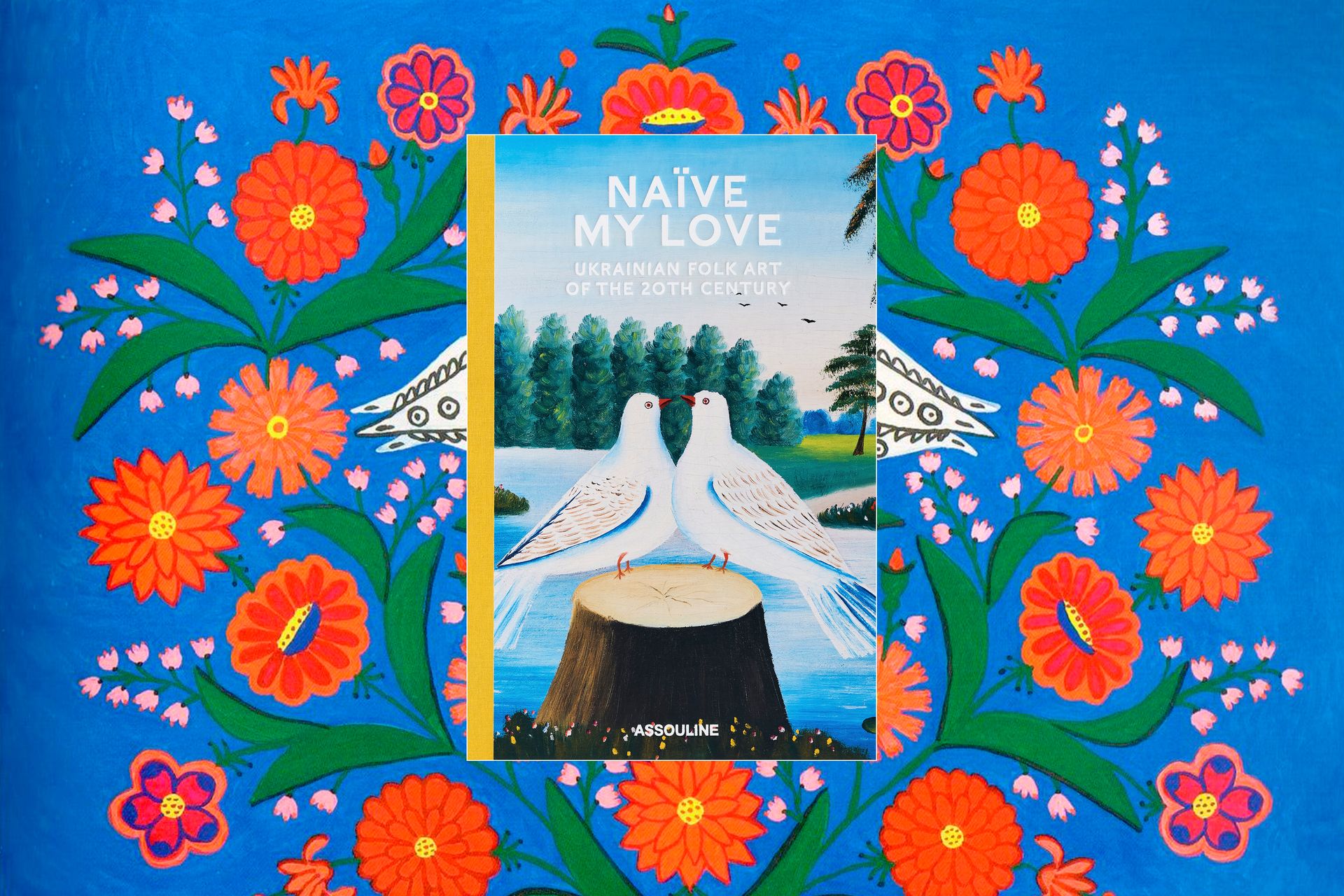
A new coffee table book titled “Naive My Love,” published by French publisher Assouline in collaboration with the Ukrainian fashion and design brand Gunia Project, celebrates the vibrant world of Ukrainian naive and folk art. The book features texts explaining the origins of these art forms alongside short biographies and works of approximately 40 self-taught Ukrainian painters and sculptors, spanning paintings, embroidery, carvings, and other decorative objects.
While folk art stems from communal traditions handed down through generations, naive art features the highly personal, individual visions of self-taught creators. As highlighted in the book, these deeply individual works served as a quiet form of resistance against socialist realism, the sole officially sanctioned artistic style in the Soviet Union. By creating art for their own personal enjoyment, these Ukrainians expressed their individuality outside of state-prescribed aesthetics.
The book showcases prominent figures such as Maria Prymachenko (1909–1997), whose life in Kyiv Oblast—marked by childhood polio, surviving the Holodomor, raising a son alone after her husband died in World War II, and experiencing the Chornobyl disaster—heavily influenced her art. Known for saturated colors and fantastical creatures, her work includes pieces like “The Beast of War,” which subtly incorporates a red flower beneath a snarling beast to symbolize the enduring presence of beauty amid trauma.
Another featured artist is Polina Raiko (1928–2004), who began painting the interior walls of her home in Oleshky at age 69 to cope with personal tragedies. Her colorful murals of doves and angels brought her inner peace and eventually turned her home into a national heritage site. Tragically, Raiko’s decorated house was nearly destroyed in the summer of 2023 when Russian forces blew up the Kakhovka Hydroelectric Power Plant dam, flooding the region. Oleshky remains under Russian occupation, leaving remaining residents facing severe hardships, including food and water shortages, mined roads, and dangerous conditions that make evacuation nearly impossible.
For the Gunia Project, releasing a book on naive art aligns naturally with the brand’s creative philosophy. Traditional objects like the personalized rushnyk—an embroidered ceremonial cloth found in Ukrainian homes—shape their product development. Expeditions and close study of folk traditions allow the brand’s designers to reinterpret age-old Ukrainian aesthetics with a contemporary twist.