
Pro-Kremlin media outlets, including a report by Ukraina.ru building on an earlier piece by RT, falsely claimed that Ukrainian refugees in France participated in ongoing street protests and physically ransacked a Paris restaurant serving Eastern European cuisine because it listed borscht as a Russian dish.
In reality, no physical vandalism or attacks occurred. The owner of the establishment, Olivier Bardou, merely reported receiving negative online reviews from individuals he suspected, without proof, to be Ukrainian due to disputes over the menu’s description of the beetroot soup. Even the original pro-Russian reports admitted the commenters had not actually visited the restaurant. The narrative that Ukrainians were involved in looting or politically orchestrated unrest to subvert French conservatives has no factual basis.
The actual protests in France, which occurred in mid-October, were driven by domestic socio-economic grievances such as the rising cost of living and declining public services, drawing participation from students, trade unions, and the “yellow vest” movement. French media coverage indicates these demonstrations put pressure on the government and were exploited by various domestic political factions, with no involvement from Ukrainian refugees. Furthermore, research revealed that pro-Russian online accounts actively campaigned to stoke tensions ahead of the demonstrations.
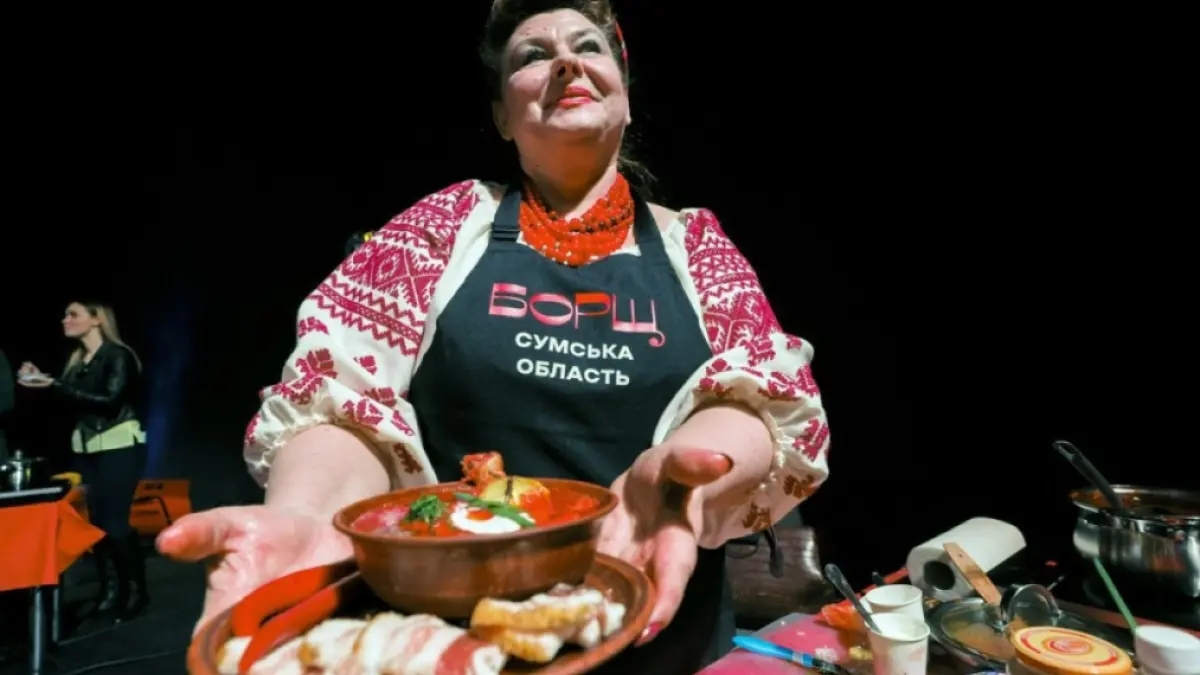
The broader dispute over borscht stems from cultural sensitivities. While UNESCO added the culture of Ukrainian borscht cooking to its List of Intangible Cultural Heritage in Need of Urgent Safeguarding in July 2022, the organization explicitly noted that the dish is prepared across the region and that the recognition does not grant Ukraine exclusive rights to it. Pro-Kremlin propaganda utilized the menu dispute and unrelated domestic French protests to fabricate a narrative associating Ukrainian refugees with violence, political extremism, and Russophobia.